TOGETHER FOR INCLUSION: Young people with low vision for active participation, awareness and associationism around the world
People with disabilities, and within this group, those who are blind or have low vision, face significant challenges in their lives. Globally, it is estimated that approximately 1.3 billion people live with some form of visual impairment. Regarding distance vision, 188.5 million people have a moderate visual impairment, 217 million have a moderate to severe visual impairment, and 36 million are blind.
Unfortunately, individuals with low vision, in many cases, lack the necessary mechanisms to live inclusively alongside the rest of society. Additionally, there is a lack of entities or associations advocating for the rights of people with low vision.
For all these reasons, this project aims to promote associationism, primarily among young people with low vision, so that they can find the resources needed to create or be part of an entity that works for the inclusion of individuals with low vision. Through the TOGETHER FOR INCLUSION project, five social entities of individuals with low vision wanted to contribute their experience and knowledge to promote association processes, overcoming all social barriers and challenges for a successful future.
Project Objectives
INCLUSION OF LOW VISION
Promoting the inclusion of young people with visual disabilities.
EFFECTIVE DIGITALIZATION
Promote the digitalization of young people with visual disabilities through non-formal and informal education.
SOCIAL AWARENESS
Promote social awareness and environmental understanding of these conditions, encouraging support for young people who experience them and helping to prevent the isolation they often face.
PROFESSIONAL SUPPORT
Encourage support from professionals and policymakers for those affected by these conditions.
Trasnational meetings
The project partners held in-person meetings in various locations every few months to strengthen their bonds, work on the project’s development and outcomes, and evaluate all progress made while overcoming any challenges encountered on the path to inclusion and association-building.
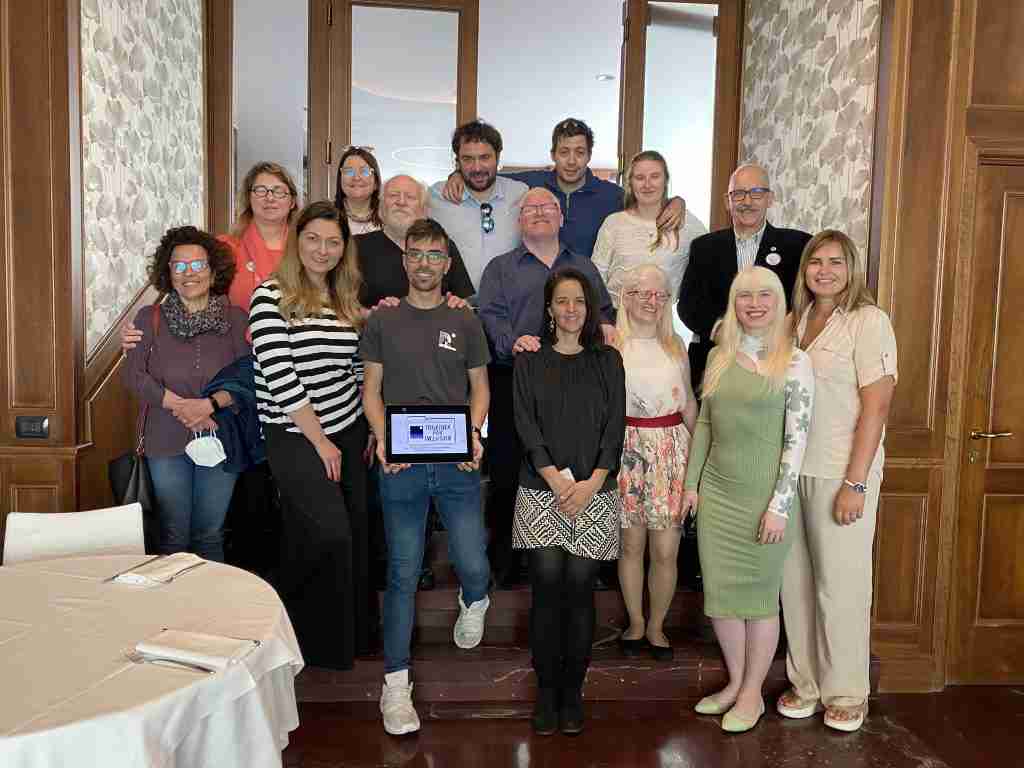
1st Transational Meeting - ROME (Italy)
On May 5, 2023, the first transnational meeting of the project took place in Rome, Italy.
During this meeting, the project’s partner organizations had the opportunity to formally meet in person and begin collaborative work on the project’s outcomes. They discussed the administrative regulations of each partner country, laying the groundwork for the METHODOLOGICAL GUIDE and the MANUAL FOR ENGAGING, which are tangible outcomes of the project.
Additionally, the attendees evaluated the project’s preparation phase.
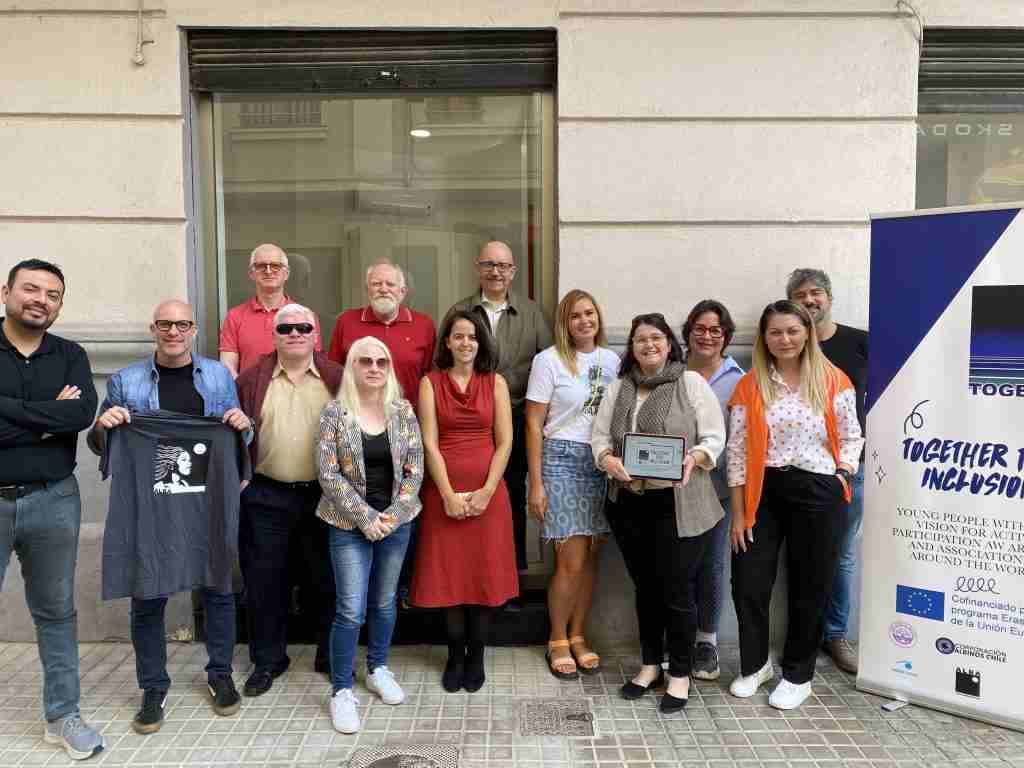
2nd Transnational Meeting - VALENCIA (Spain)
The second transnational meeting of the project was held on October 21, 2023, in Valencia, Spain.
The meeting focused on developing the current website, discussing its sections, how to visualize it, and the necessary adaptations to ensure maximum visibility. Additionally, it centered on the internal evaluation of the project and the results of the WEBINAR FOR INCLUSION and the project’s SHORT FILM.
Several non-formal and informal safe spaces were also established, where the attendees closed ties and exchanged experiences.
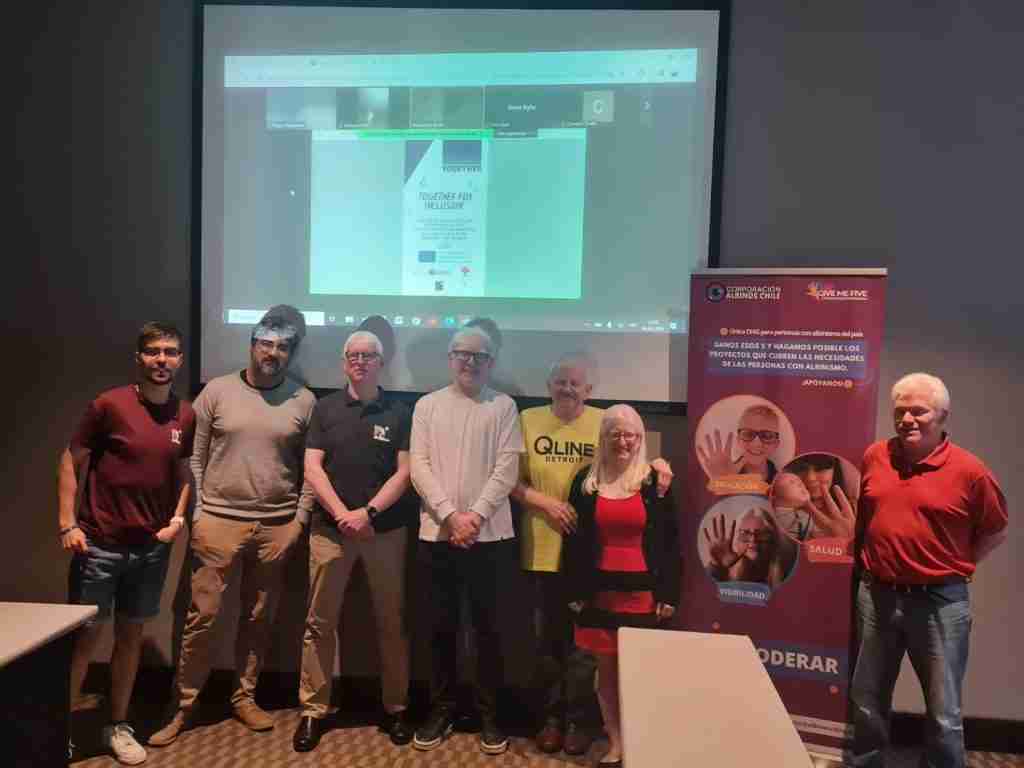
3rd Transnational Meeting - Santiago de Chile (Chile)
This third meeting took place on April 4, 2023, in the city of Santiago de Chile. Its main focus was the presentation of the tangible results of the project, marking the beginning of its dissemination.
The meeting involved coordinating the preparation and evaluation of the PILOT TESTS conducted by young people with low vision, as well as assessing the project’s dissemination plan. Additionally, the potentialVIRAL VIDEOS for the project were evaluated.
Lastly, the coordinators discussed the MULTIPLIER EVENTS that will be held worldwide by each partner entity.
Multiplier Events
More than 280 people interested in low vision, aniridia and albinism gathered around the world to witness the project’s results.
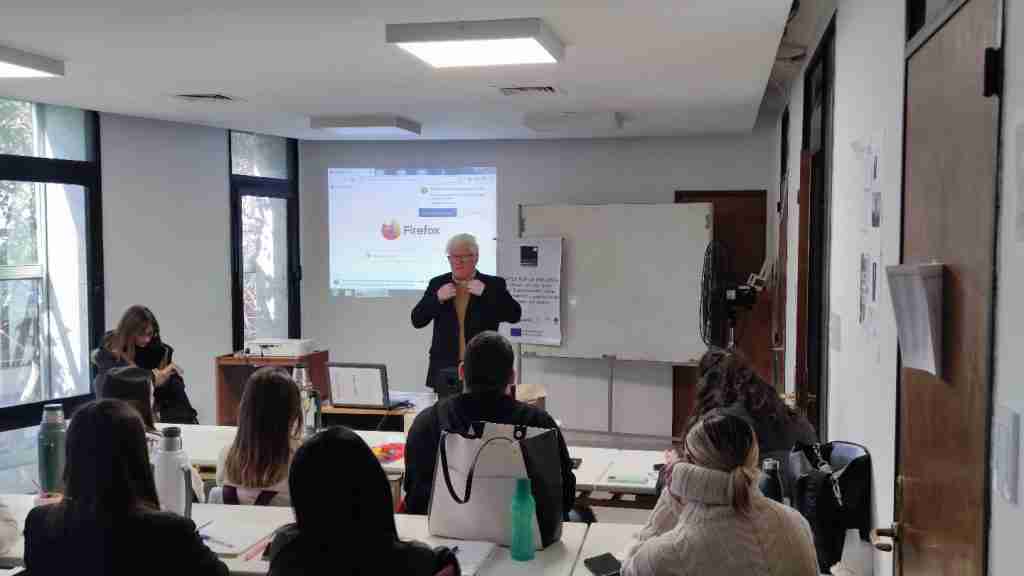
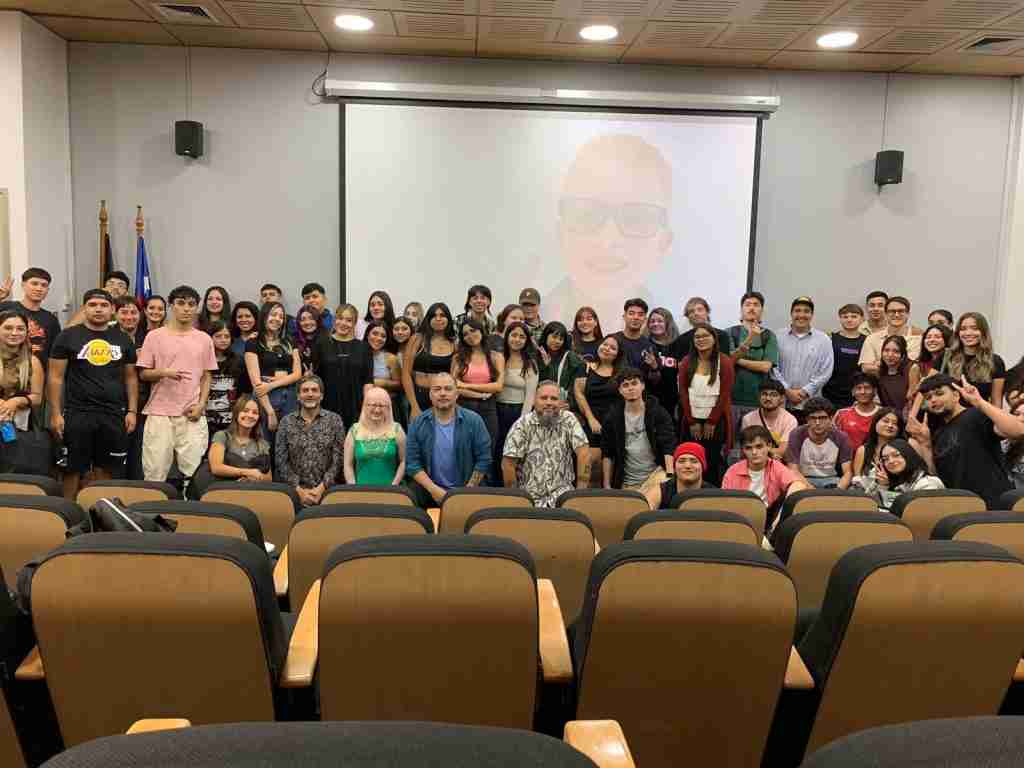
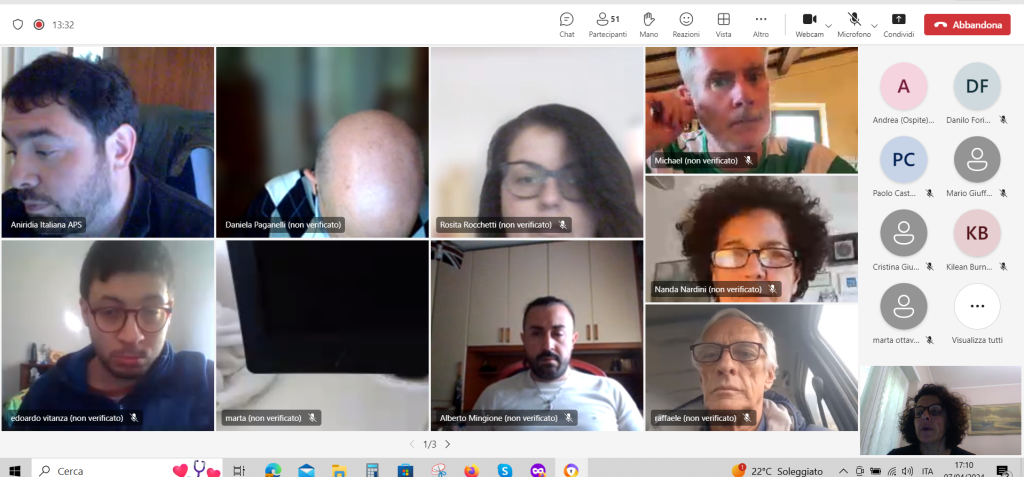
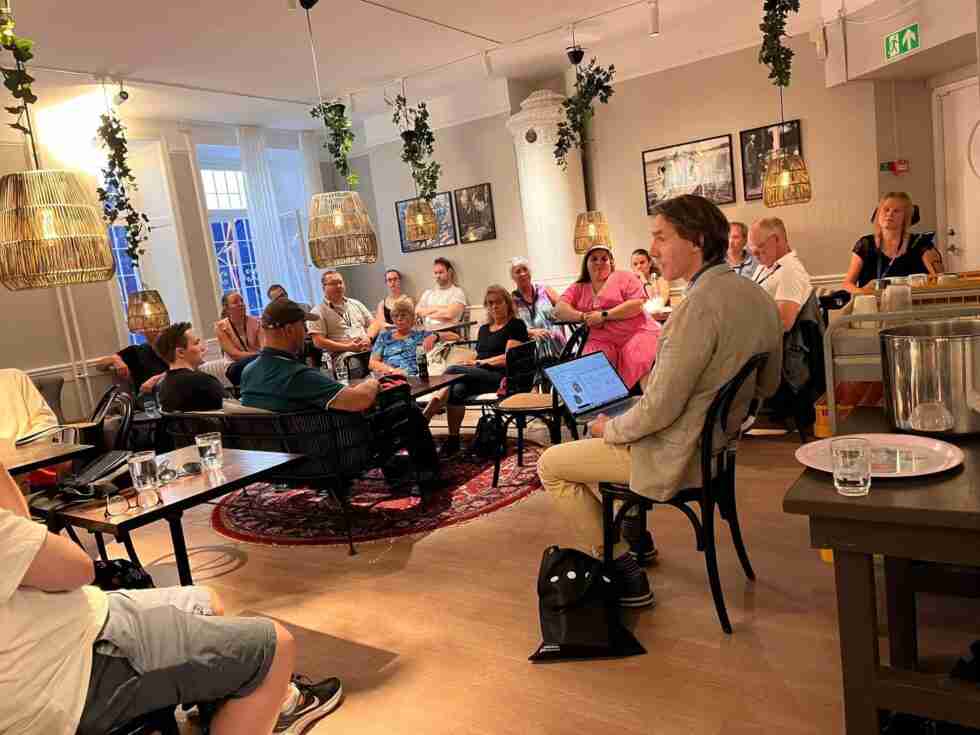
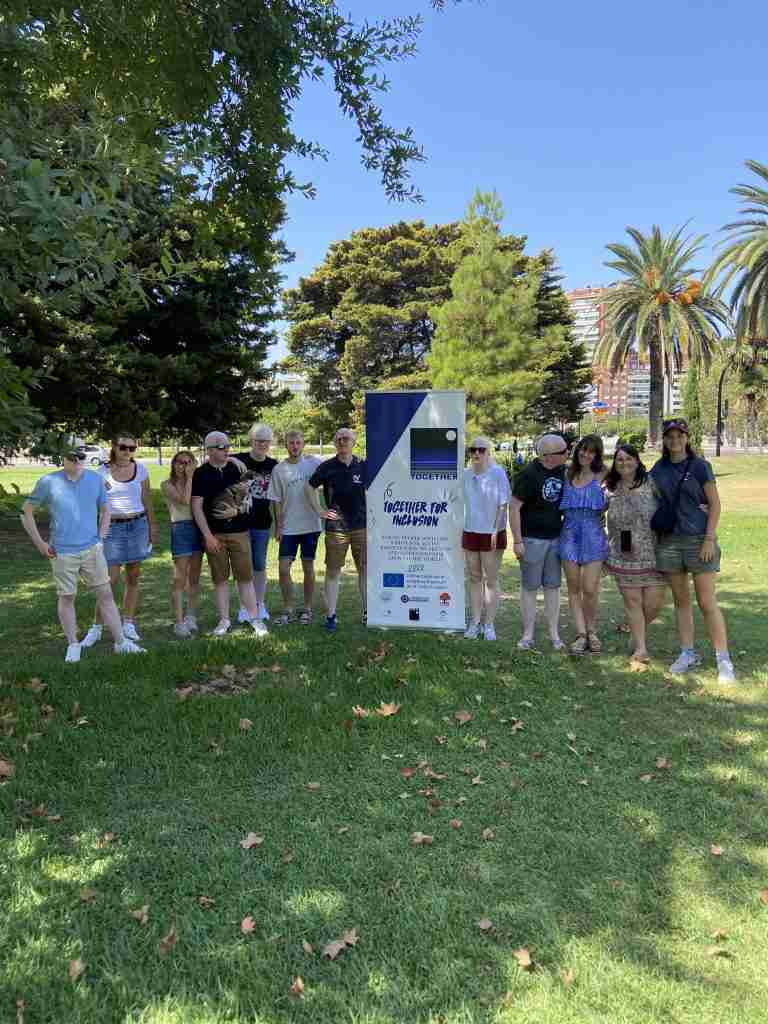
During the project’s diffusion phase, partner organizations hosted multiplier events worldwide, including in Italy, Argentina, Sweden, Chile, and Spain, to showcase the project outcomes. These well-attended events brought together over 280 people to focus on associational support and the inclusion of individuals with low vision.
These events highlighted the benefits of the project, focusing mainly on the dissemination of the Intellectual Outputs developed:
1. METHODOLOGICAL GUIDE
The Methodological Guide empowers young people with low vision by fostering associational support and provides guidance on forming a new entity or actively participating in an existing one. The guide is adapted to the needs of individuals with low vision, equipping young people with the tools to pursue entrepreneurship and enhance association building worldwide.
2. MANUAL FOR ENGAGIN
The Funding Assistance Manual is designed to support young people with low vision in their organizations. Following the Methodological Guide, this manual provides strategies for organizational growth and multiple avenues for funding. It also serves as a management tool, focusing on strategic planning and improving organizational health.
3. WEBINAR FOR PROFESSIONALS
This webinar offers professionals insights into working with young people with low vision. It provides firsthand information on what low vision entails, its challenges, and the specifics of albinism and aniridia, aiming to foster understanding and empathy.
4. DOCUMENTARY
The project’s documentary raises awareness about rare conditions like albinism and aniridia and highlights how associations support and empower young people with low vision to foster societal inclusion.
These events successfully promoted the project’s results and addressed participants’ questions, contributing to the broader impact and understanding of the project and its objectives.